
01 Qualifications of key personnel
Outline the expertise, experience, and roles of key team members.
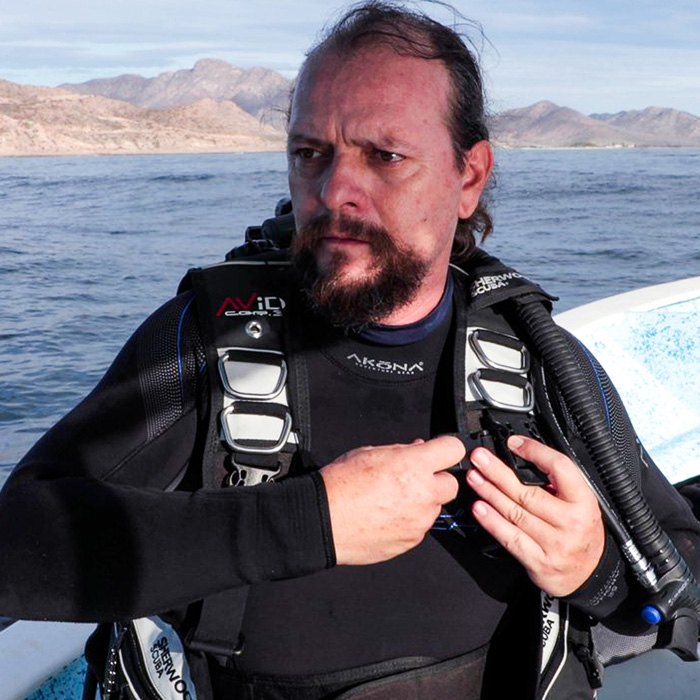
Dr. James Ketchum
Project coordinator
Director of Marine Conservation. He has studied sharks and migratory pelagic species since 1998 and holds a Ph.D. in Ecology from UC Davis. James is a marine ecologist, specializing in the movement ecology of top predators and the design of marine reserves. He carried out pioneering work on the movement patterns and habitat use of hammerhead sharks in the Galapagos Islands and participated in the first telemetric studies of sharks in Cocos, Malpelo, Galapagos and Revillagigedo Archipelago, during which he co-founded MigraMar in 2006. James has published close to 60 peer-reviewed publications in prestigious journals, a Member of the National System of Researchers of Mexico, level II, and a Mission Blue Hope Spot Champion for the Gulf of California. He is the director of the documentary “Sharks of the Sea of Cortés: A Lost Treasure?” (2021), produced by Pelagios Kakunjá and Azul Océano, and Sylvia A. Earle as executive producer. He works closely with artisanal fishers, the Mexican Commission for Natural Protected Areas, and other organizations to create new marine protected areas and to improve the effectiveness of existing ones for the conservation of sharks and pelagic fish in the Gulf of California and Mexican Pacific. James has spent a good portion of his professional career working with artisanal and sports fishers in Mexico and Ecuador to catch and study sharks and pelagic fish to understand their movements and ecology, including marine reserve design based on their spatial utilization.
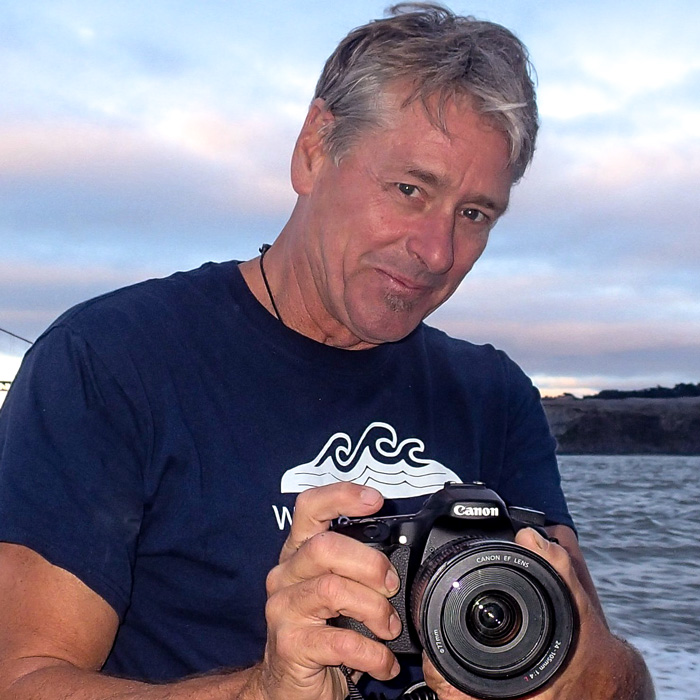
David McGuire
Project liaison
David is the Founder and Director of the shark and marine conservation nonprofit “Shark Stewards”. A marine biologist, David is a research associate at the California Academy of Sciences where he conducts shark studies and media production from California to China. Shark Stewards introduced the first North American shark fin trade ban in California and led several states and international movements limiting the overfishing of sharks and the shark fin trade. Shark Stewards actively partners with NOAA in our National Marine Sanctuaries and the Ocean Protection Council in our California marine protected areas, where he is Co-chair of a California MPA collaborative committee. A documentary filmmaker, David received an Emmy for Field Production and Camera on the documentary “Reefs to Rainforests” on the Biodiversity Expedition in the Philippines with the California Academy of Sciences and has numerous awards for his conservation documentaries. Since 2007 he has been involved with the International Ocean Film Festival as a contributor, screener, and programmer, and hosts the popular shark program. He is a National Geographic Explorer with an adventure column and has written and contributed to numerous publications and books, including publishing a new shark science book for youth: Sharks for Kids. He is a popular public speaker on sharks and the ocean, is a lecturer at the University of California, Berkeley and adjunct professor at the University of San Francisco. David will act as project liaison with Pelagica Kakunja between the funding foundation, monitoring progress and facilitating the project among the team. He will also serve as the media developer and content director for media development with the PK team and ensure accurate documentation of the project and messaging is delivered.
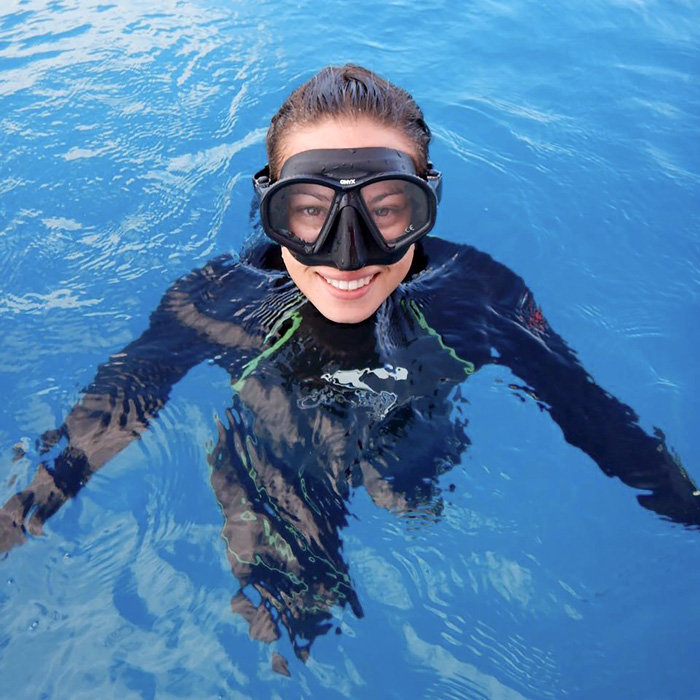
Carmen Koepfer
Socioeconomic analyst and facilitator
Carmen is a marine biologist specializing in shark conservation, an educator, and a dedicated advocate for ocean preservation. A native of Mexico, she earned her degree in biology with a specialization in marine biology from the Instituto Tecnológico de Boca del Río, Veracruz (ITBOCA).
She began her collaboration with Pelagios Kakunjá as a volunteer in 2013, actively participating in various research projects involving the tagging and monitoring of sharks, particularly in the Sea of Cortez and the Cabo Pulmo region. This field experience led her to pursue a Master's degree at the Centro de Investigaciones Biológicas del Noroeste (CIBNOR), conducting her thesis research in association with Pelagios Kakunjá. She graduated in 2018 with her thesis “Effects of scuba diving on the behavior of bull sharks (Carcharhinus leucas) and economic value of the species in Cabo Pulmo National Park.” Following her graduation, she continued as a staff member at Pelagios Kakunjá, contributing to the development of educational programs and supporting the production of documentaries such as “The Blue Quest” and “Sharks of the Sea of Cortez: A Lost Treasure?”
In 2019, she relocated to California to broaden her scope of work. There, she serves as an educator at the Ocean Institute and advocates for shark protection with the non-profit Shark Stewards. She currently holds the role of Socioeconomic Study Analyst for a key collaborative project between Pelagios Kakunjá and Shark Stewards, which aims to establish a marine corridor in the Gulf of California. This Marine Corridor Conservation Initiative focuses on the protection and conservation of sharks through the empowerment of local communities, involving the design and implementation of targeted management tools.
Dr. Alejandro Rodríguez
Consultant
Alejandro has 18 years of experience in conservation of natural resources in Mexico and has collaborated in initiatives for developing social capital, community businesses, environmental education, water and land conservation, improvement of public policies, improvement of fisheries, conservation of priority species and spaces and adaptation to climate change. He has conceptualized, designed, and implemented 40 conservation projects funded by the WWF international network, the North American Commission for Environmental Cooperation, the Walton Family Foundation, The David and Lucile Packard Foundation, The Nature Conservancy, The Marisla Foundation, The Wallace Global Fund, The Tusher Family Foundation, International Whaling Commission, U.S. Marine Mammal Commission, TELCEL, Alliance WWF-Carlos Slim Foundation, Resources Legacy Fund, Mexican Fund for the Conservation of Nature A.C., and others.
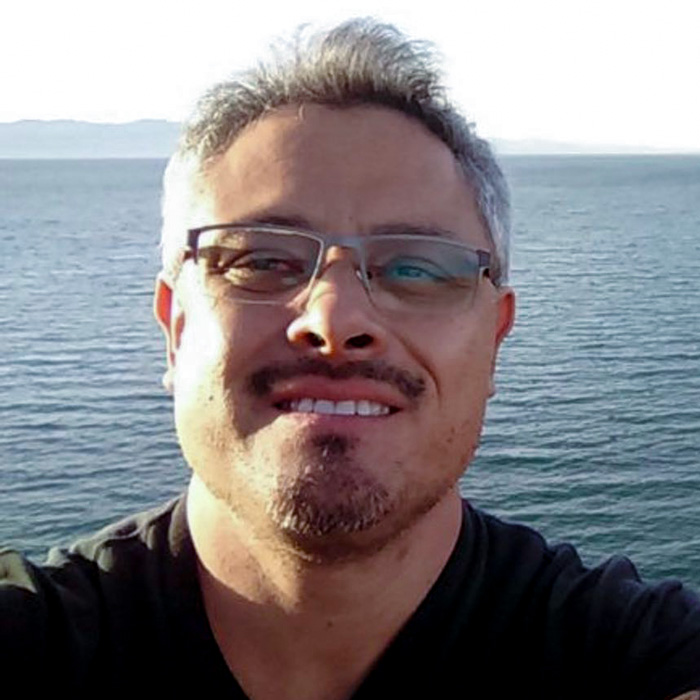
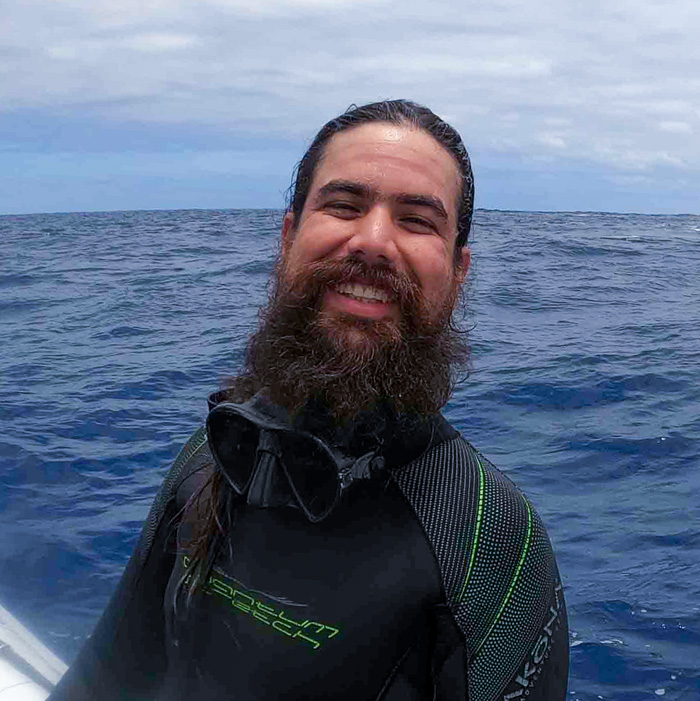
Alexandro Rodríguez de la Peña
Data Analyst and Field Technician
Alexandro is a Mexican marine biologist born in the coastal state of Colima. He graduated from the Universidad Autónoma de Baja California Sur in 2022 as the top student of his class, completing his social service with Pelagios Kakunjá. After graduation, he coordinated two nesting seasons in a sea turtle conservation camp and later worked as a field technician and data analyst with different NGOs in La Paz. His work includes visual censuses of reef fishes, as well as surveys using diver-operated video (DOVs) and benthic BRUVS. In 2023, he participated in a socioeconomic study led by Pelagios Kakunjá focused on small-scale fisheries and community perceptions of marine conservation along the Loreto–Cabo Pulmo marine corridor. Alex is passionate about using science to drive social change, with a strong interest in ecology and fisheries interactions of sharks in the Gulf of California. He is currently working at Pelagios Kakunjá as data analyst and field technician.
M.Sc. Carlos Robalino
Data Analyst and Field Technician
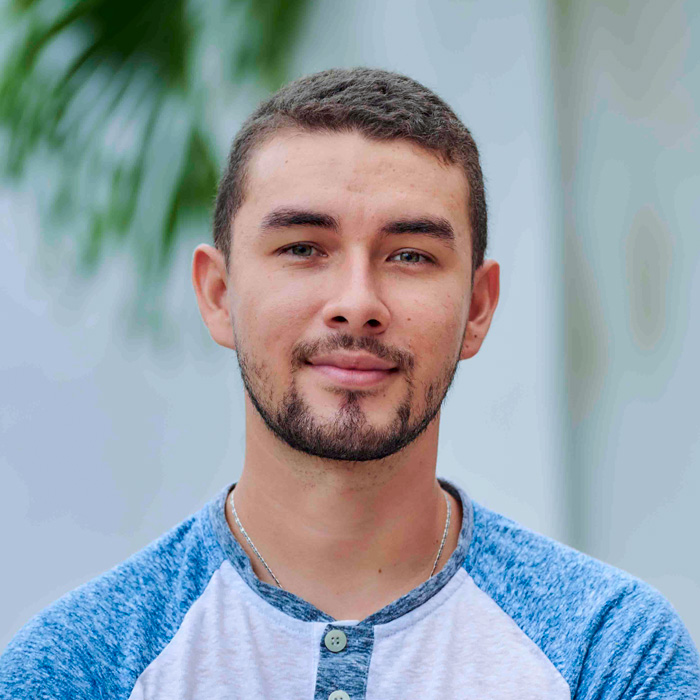
Carlos is a marine biologist from the Galápagos Islands, Ecuador. He holds a Master’s degree in Marine Resource Management from CICIMAR-IPN, where he assessed the diversity and biomass of pelagic species across islands and seamounts of the Cocos Ridge using stereo-BRUVS, in collaboration with MigraMar. Since 2023, he has been part of Pelagios Kakunjá as a researcher, data analyst, and field technician. He has participated in more than ten scientific expeditions across the Galápagos Islands, the Gulf of California, and the Mexican Pacific, integrating technologies such as acoustic and satellite telemetry, stereo-BRUVS video, and spatial analyses to understand the ecology, behavior, and connectivity of elasmobranchs. His work focuses on generating scientific information and applying technological tools and ecological approaches to enhance management and conservation of pelagic species in the Eastern Tropical Pacific. He also coordinates the national network of Early Career Ocean Professionals (ECOP) Ecuador, promoting training, collaboration, and leadership among early-career marine scientists.
Irene Casanova
Data Analyst and Field Technician
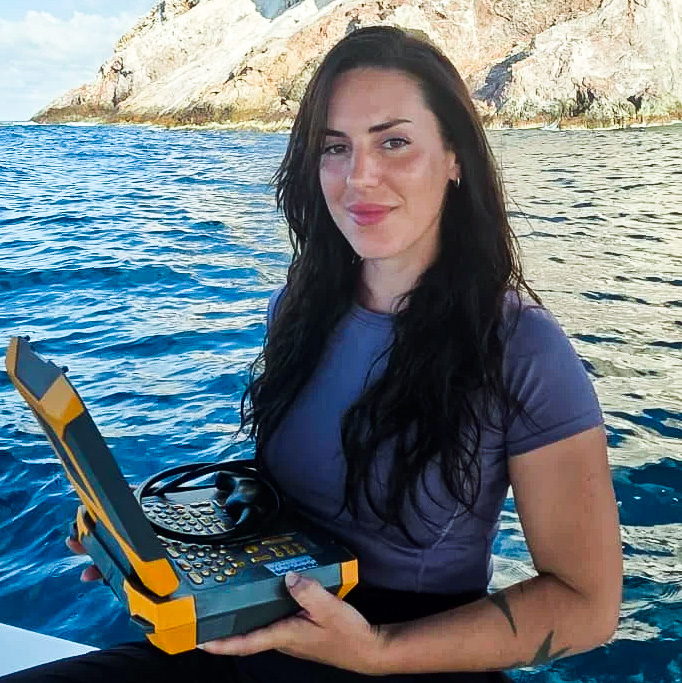
Born and raised by the sea in Alicante, Spain, Irene grew up sharing with her family a passion for the ocean and diving. Over ten years ago, while working as a dive master in the Mexican Caribbean, she encountered sharks underwater for the first time, an experience that inspired her dedication to studying and protecting them. She holds a degree in Marine Biology and a Master’s from CICIMAR-IPN, where she conducted a research on nursery areas of the Galapagos shark using genetic analysis, acoustic telemetry, and innovative, non-lethal methods such as ultrasound imaging. Irene has worked across the Gulf of California, the Pacific islands of Mexico, and the Mexican Caribbean, collaborating with different organizations, including Pelagios Kakunjá, Save Our Seas Foundation, Ocean Blue Tree, Fins Attached, Sulikowski Big Fish Lab, and Save Our Sharks Foundation. She currently works at Pelagios Kakunjá as data analyst and field technician, and is involved in projects on reproductive biology, acoustic and satellite telemetry, BRUVS, and fisheries. She values teamwork and believes that collaboration among scientists, NGOs, and fishing communities is key to effective marine conservation.
02 Qualifications of organization
Pelagios-Kakunjá is a non-profit organization that seeks to understand the ecology and behavior of marine top predators. We aim to generate baseline information for the regional management and conservation of sharks and other pelagic fauna in the Gulf of California and Mexican Pacific. Our organization has achieved the following:
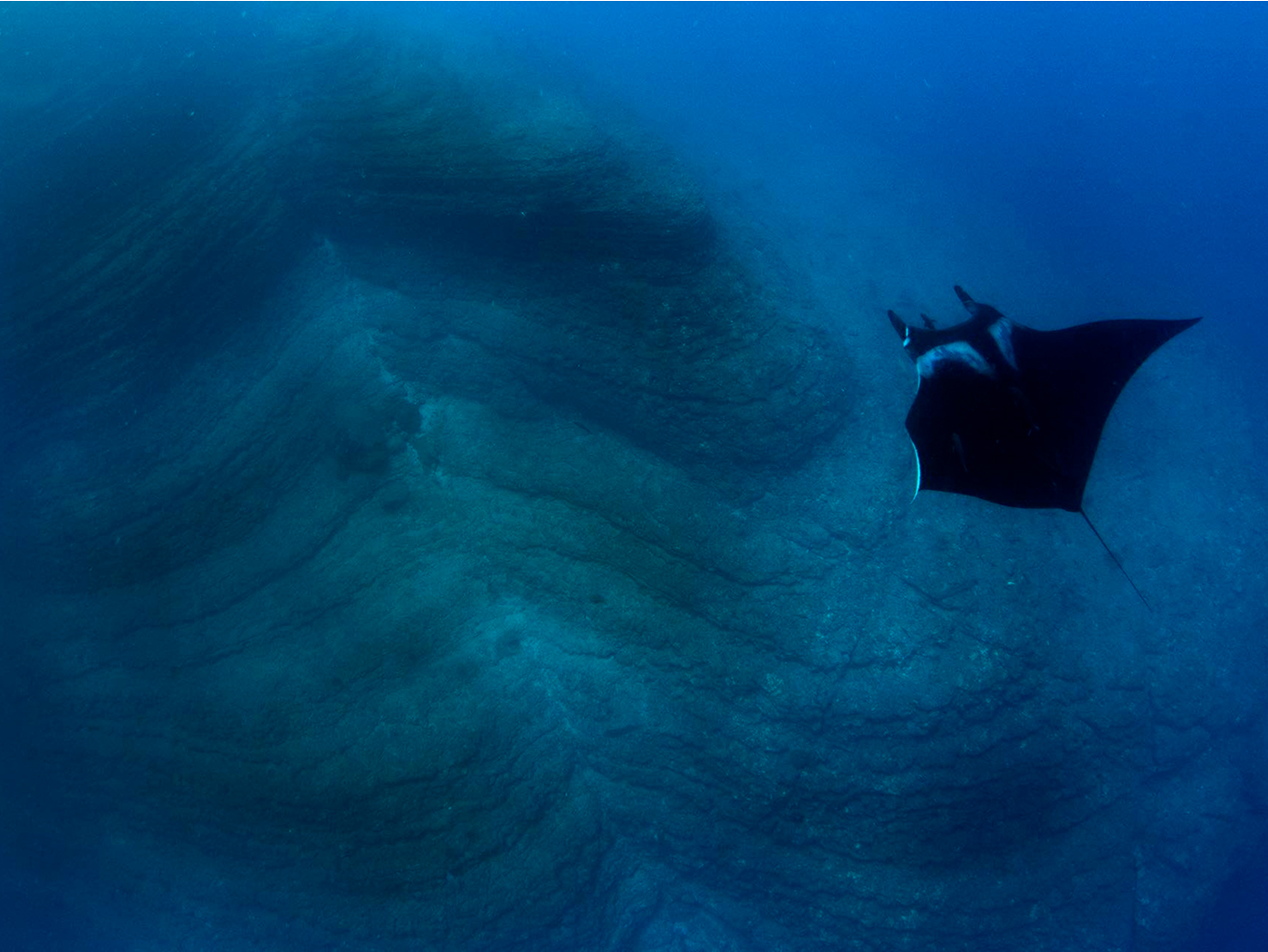
Research in the Revillagigedo Archipelago
The key to designing the shape and extension of the Revillagigedo National Park polygon based on the movements and connectivity of sharks and giant mantas. This information was used a few years earlier as support for the designation of the Archipelago as a UNESCO World Heritage Site (2016), and later as the basis for the delimitation of the extension of the Revillagigedo National Park (2017).
Participate in the elaboration of the ISRAs (Important Shark and Ray Areas)
An initiative of the Commission of the Shark Specialist Group for the survival of species of the International Union for Conservation of Nature (IUCN). With the contribution of scientific data generated by our team, the following ISRAs were established:
- Revillagigedo Archipelago, 159,647.5 km2 (Read More)
- Central coast of Nayarit, 3,360.6 km2 (Read More)
- Gulf of California-Revillagigedo-Clipperton Migration Corridor, 252,225 km2 (Read More)
- Loreto-Cabo Pulmo migration corridor, 16,127.8 km2 (Read More)
Generate multiple publications
1 book, 5 book chapters, more than 100 scientific articles published in prestigious international journals and more than 15 outreach articles.
Generate technical information
For the management of at least 5 Protected Natural Areas in the Pacific and Mexican Caribbean.
Continuously monitoring vulnerable and endangered shark and ray species
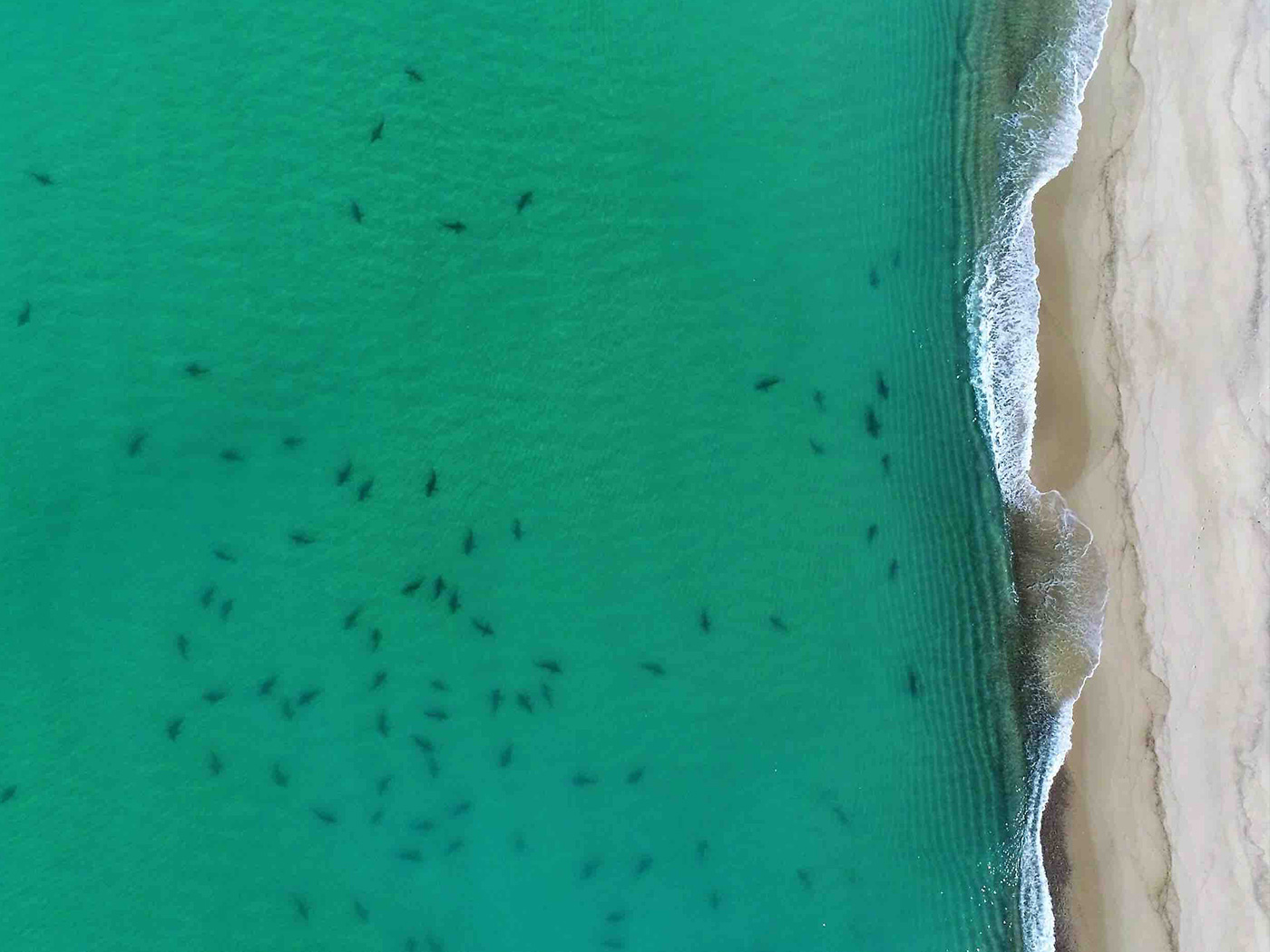
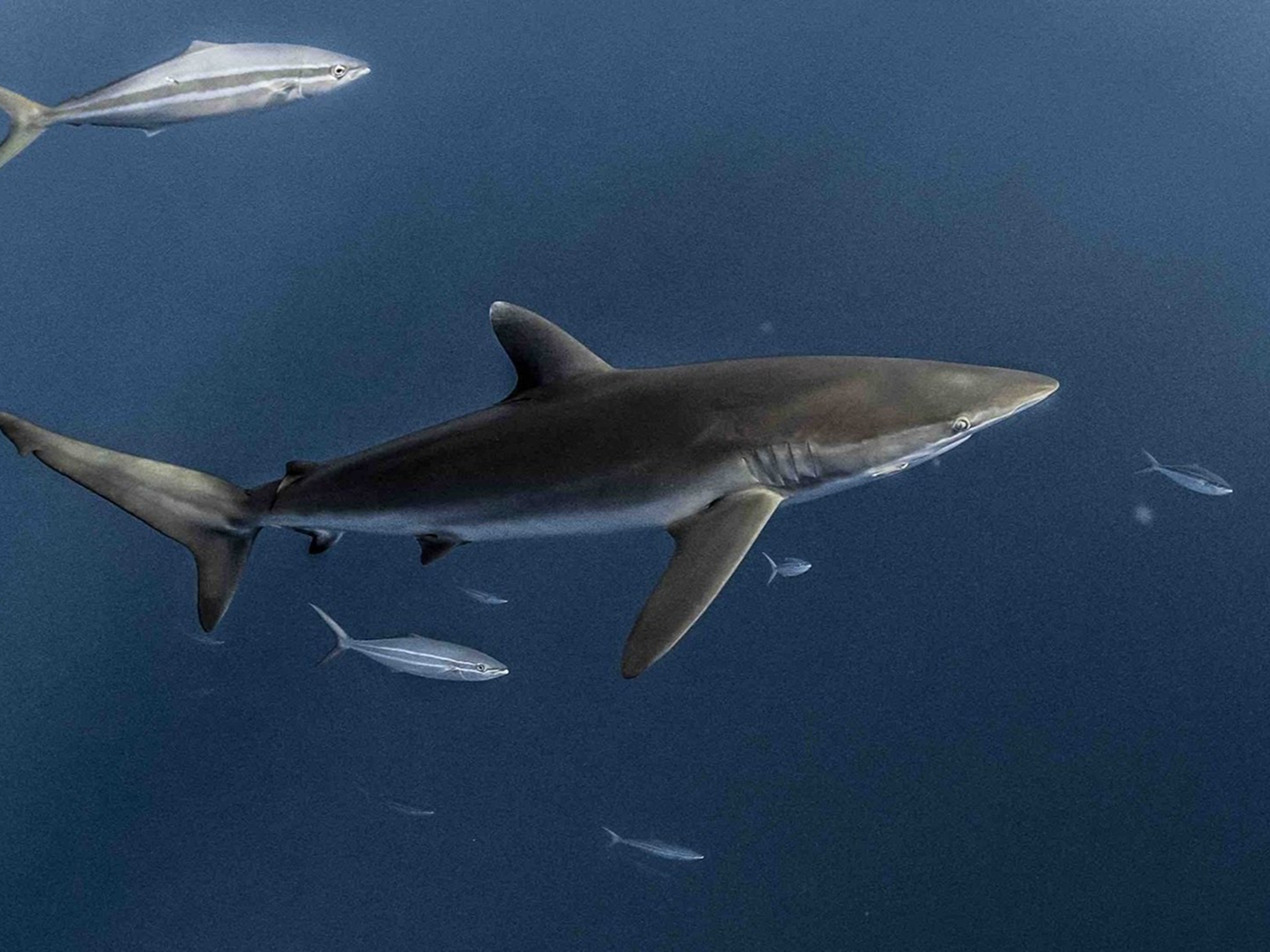
In four protected areas in Mexico for more than 12 years: Guadalupe Island, Cabo Pulmo, Revillagigedo Archipelago, and Espiritu Santo.
Coordinate research projects
Around 10 research projects in the Mexican Pacific.
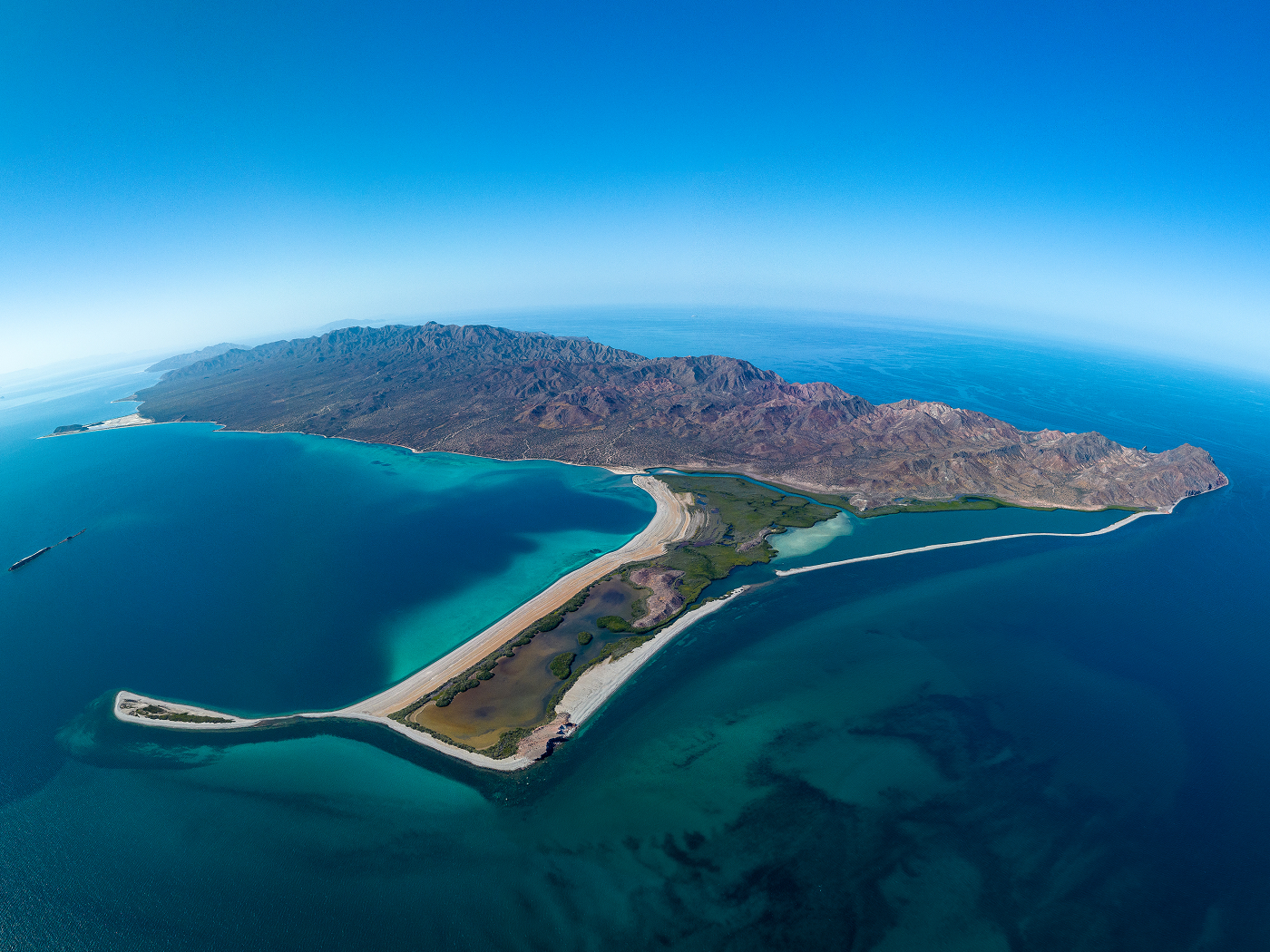
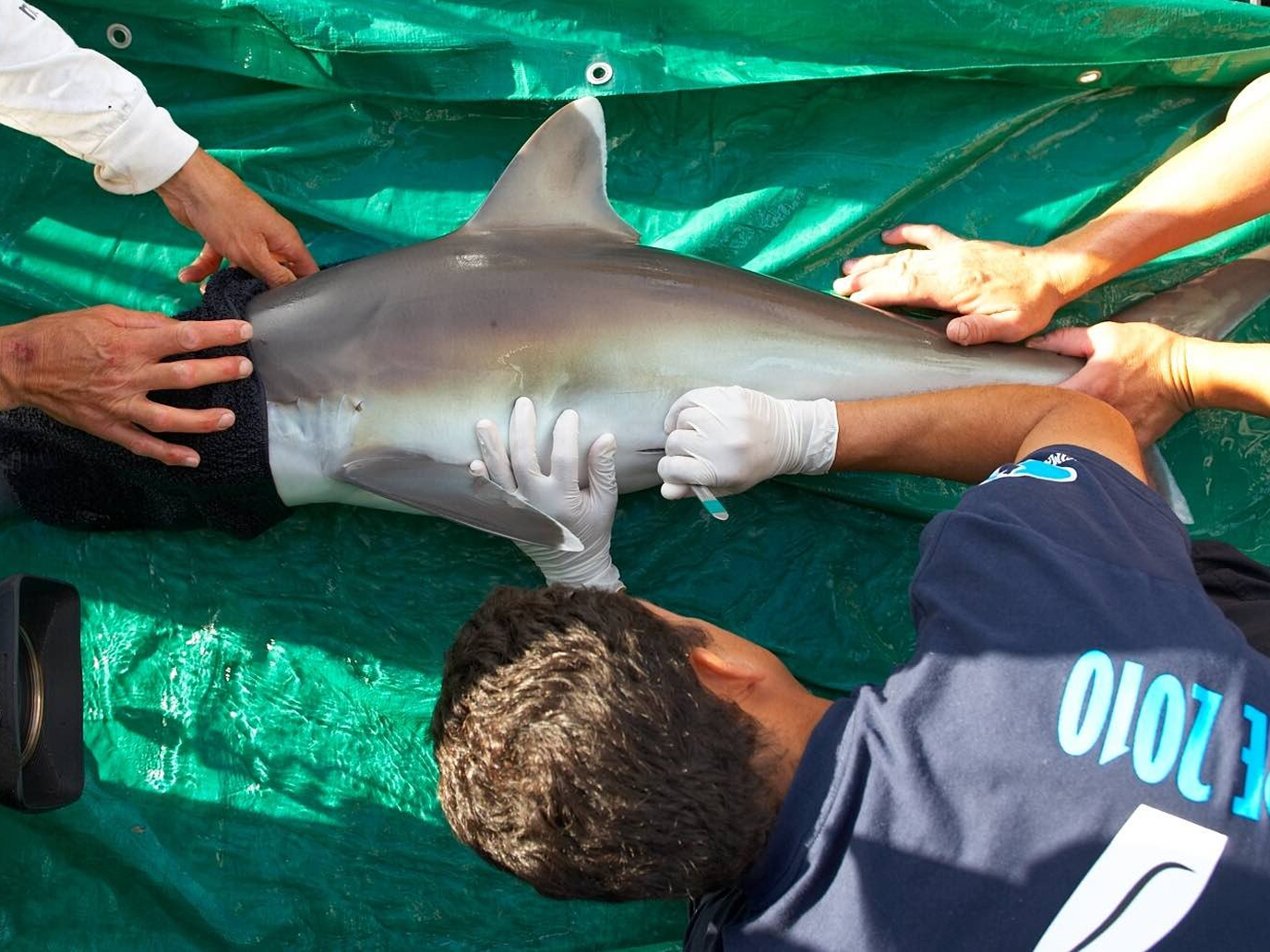
Tagged more than 600 sharks and rays
Using acoustic and satellite transmitters in the Pacific and Mexican Caribbean.
Continuously organizing and implementing workshops with fishermen
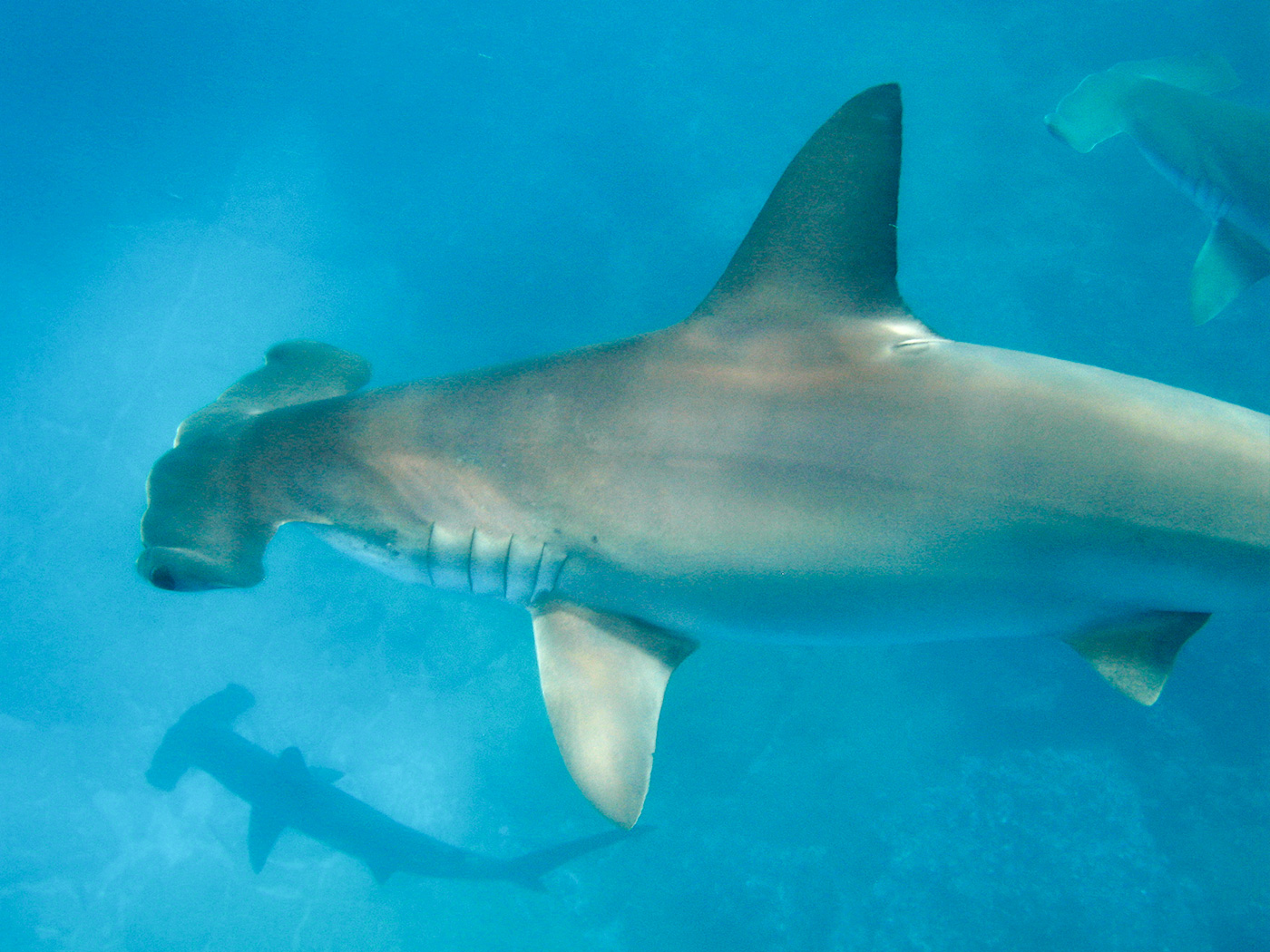
In order to collaborate in the recovery of the hammerhead shark in the Gulf of California.
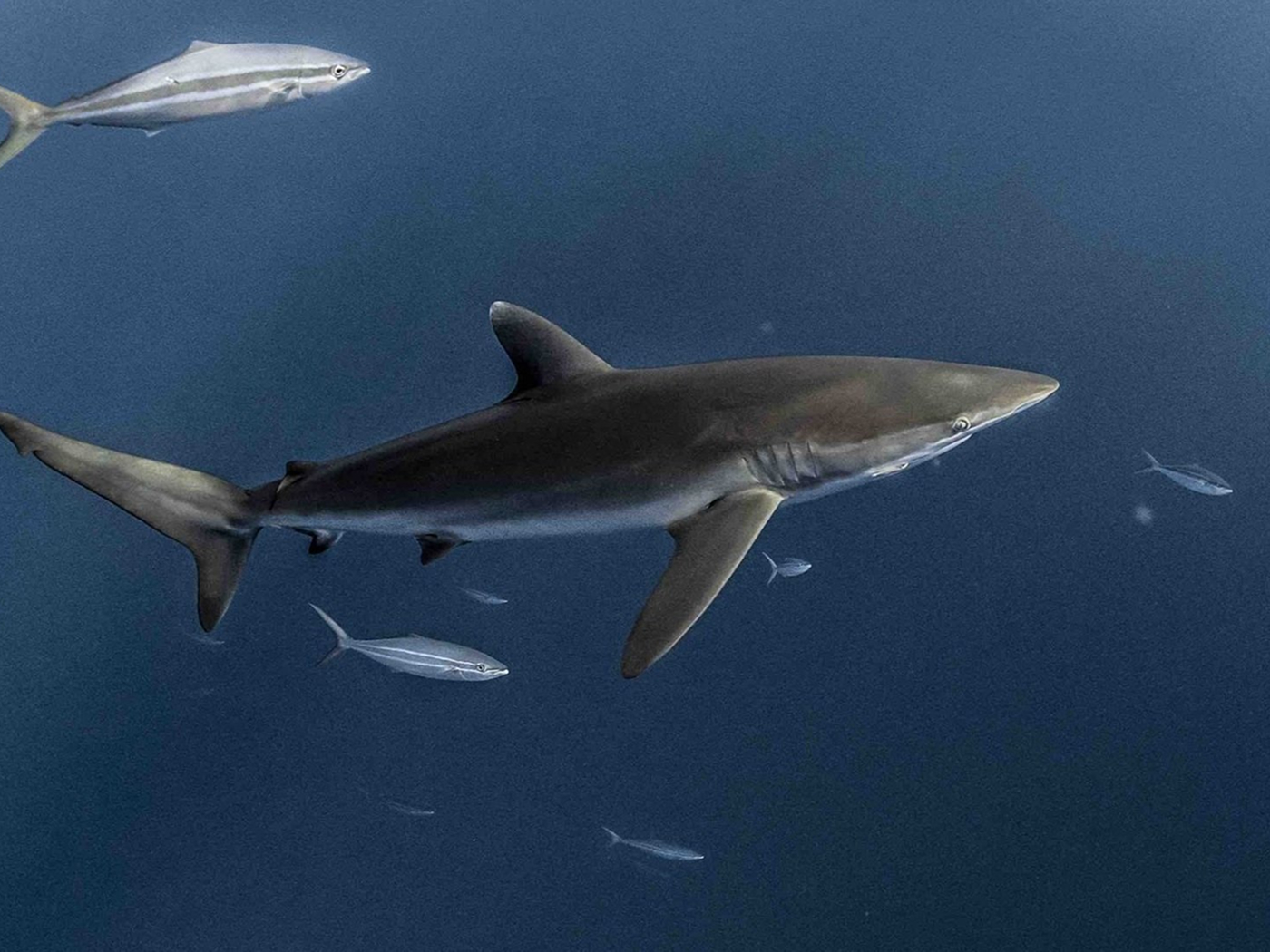
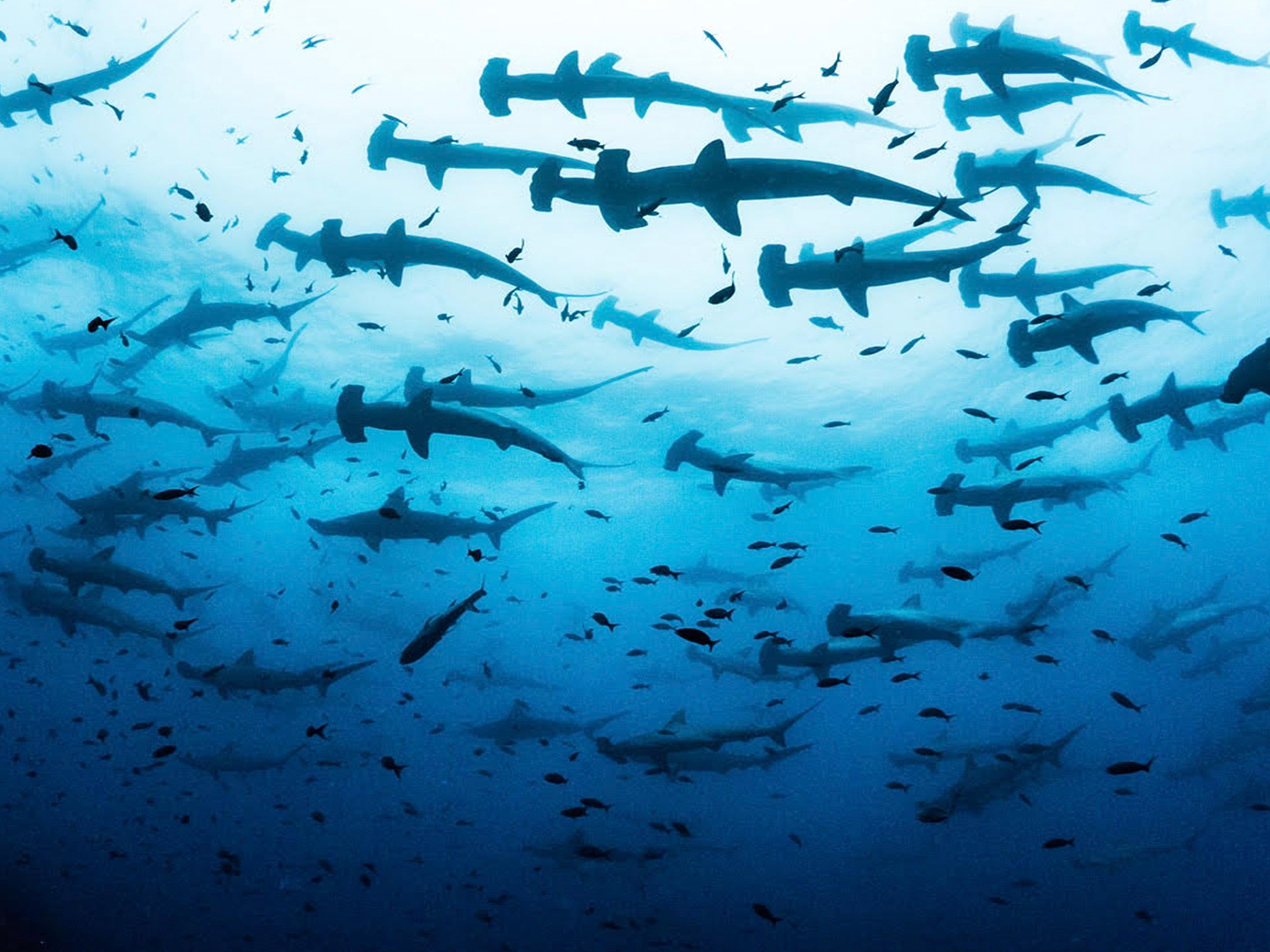
Collaborate with research groups
In different parts of the Mexican Pacific, the Tropical Eastern Pacific, and the Caribbean through the study of more than 12 species of sharks and rays.
Elaboration of 5 manuals
Of good practices to regulate the interaction of underwater tourism with elasmobranchs in Protected Natural Areas.
Acting as representatives of the Academic and Research sector
Of the Cabo Pulmo National Park Advisory Council (2019- to date), and of the Revillagigedo National Park Advisory Council (2020 to date).
Participate in multiple national and international scientific congresses and meetings
Where we present the results of our research with sharks in Mexico.
03 Photography Credits
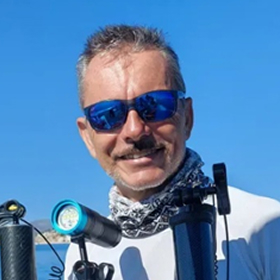
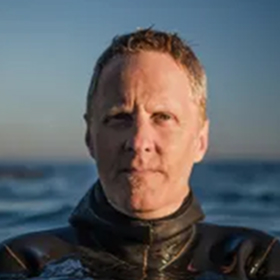
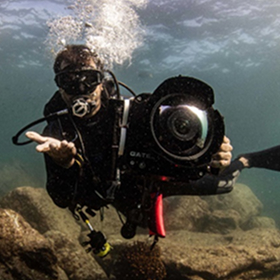
This section acknowledges the photographers who have contributed images to support Pelagios Kakunjá’s work. Their documentation provides valuable visual resources for outreach, education, and scientific communication. Each credit reflects their contribution to advancing marine conservation.
Take Action Today
 Donate
Our work is only possible with your support! Your donation will contribute to our shark research and conservation programs in Mexico
 Adopt
Adopt
Through the adopt a shark program, anyone can symbolically sponsor a shark for themselves, a loved one or together as a company, school group or university
 Donors
Recognizing the generous organizations whose continued support drives our shark conservation, research, and education initiatives forward