
01 Introduction
From decline to recovery: why sharks and communities need new solutions
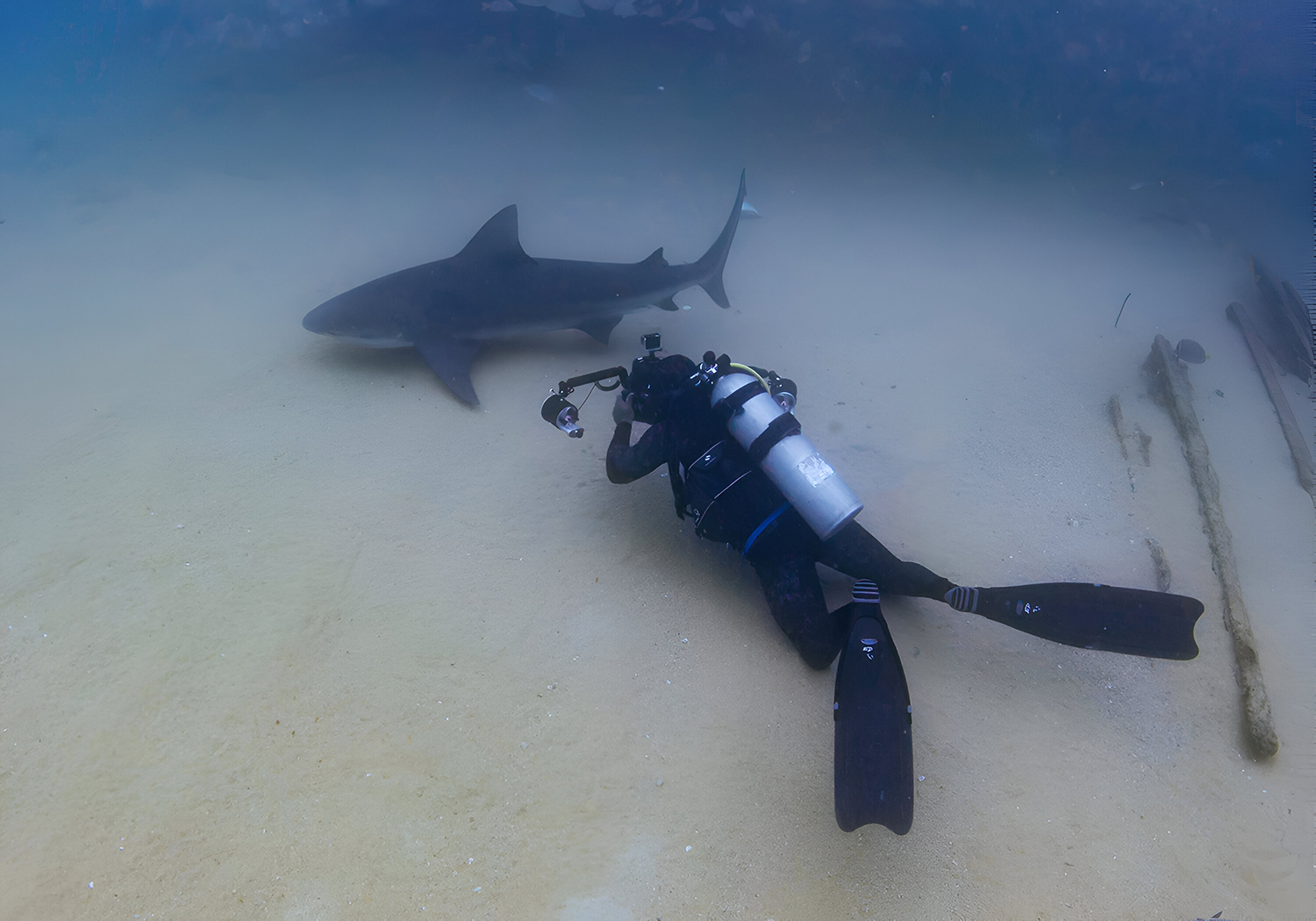
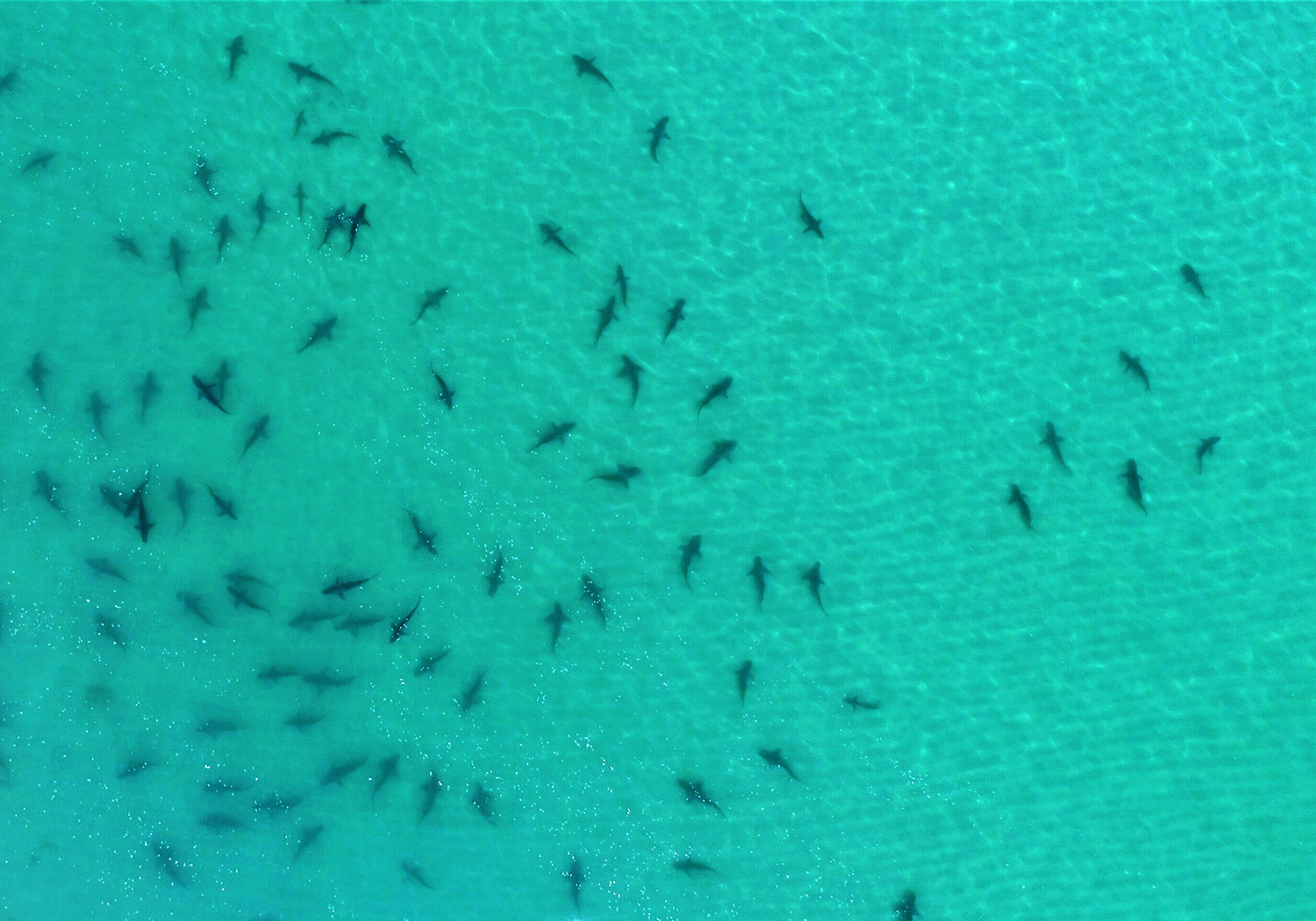
Two decades ago, the offshore islands and seamounts in the Gulf of California (GC) were abundant in sharks and pelagic species. The current degradation of these sites is noteworthy, considering the importance they had for recreational diving, sports-fishing and commercial fishing until the early 2000´s. Some of these islands were one of the best places in the world to see large schools of hammerhead sharks in the 1980´s, bringing strong international attention of award-winning cinematographers and scientists. However, sharks and marine predators are ecologically extinct from many parts of the GC due to overfishing, hence this once thriving system is heavily degraded. Overall, the main threats to sharks in the GC are 1) industrial fisheries both direct and as by-catch (e.g., long-liners, purse seiners, bottom trawlers), 2) illegal, unreported and unregulated (IUU) fishing, and 3) habitat loss. In addition, a new threat has emerged such as the use of tankers that will start carrying fossil fuels across the GC from Sonora to B.C.S.
The establishment of the shark fishing ban in Mexican waters since 2012 has helped in a slow recovery of hammerheads and others species of sharks at some seamounts, but, it has not been enough to achieve a fuller recuperation of these pelagic ecosystems and new conservation and management tools should be put in place, such as i) the protection of several shark species under Mexican law and (ii) the creation of protective zones (marine protected areas, refuges) around critical habitat. Currently most shark species are considered commercial resources in Mexico and not wildlife -- hammerhead sharks are not protected in Mexico despite being listed as critically endangered globally, for example.
Also, lack of management of tourism activities could play a major role in the displacement of sharks and their habitats. The impact of tourism on marine fauna is well documented, particularly on coral reefs and on the behavior and possibly the metabolism of sharks. Therefore, it is critical to develop codes of conduct and management plans to minimize the effects of tourism on sharks’ behavior and health. On the other hand, there is solid documentation about the significant value and financial contributions that shark-based tourism activities can make to national economies, without considering the contributions in environmental education to nationals. Hence, it is important to start the reconversion of artisanal shark fishers to providers of shark-based tourism services. In addition to the establishment of new management tools in the GC, such as marine protected areas (MPAs), Territorial Use Rights in Fisheries (TURFs), and other community-based fisheries management systems, it is also important to explicitly address the design and implementation of community-based enterprises based on the conservation of sharks. Here we seek to i) provide scientific information to develop new management and conservation tools (e.g. MPA) to recover and restore reef fish, pelagic fish (e.g. tuna), sharks, mantas, whales and other marine megafauna in the GC, ii) ameliorate the impacts of climate change (e.g. less catch per unit effort of local reef fish) on the economy of local fishing communities by promoting and creating tourism opportunities for fishers, and iii) increase awareness of the importance of creating shark sanctuaries in the GC with articulated business opportunities for local communities.
Gulf of California Research
Support shark conservation in critical habitats
02 Science
Tracking Movements, Mapping Connectivity, Informing Conservation
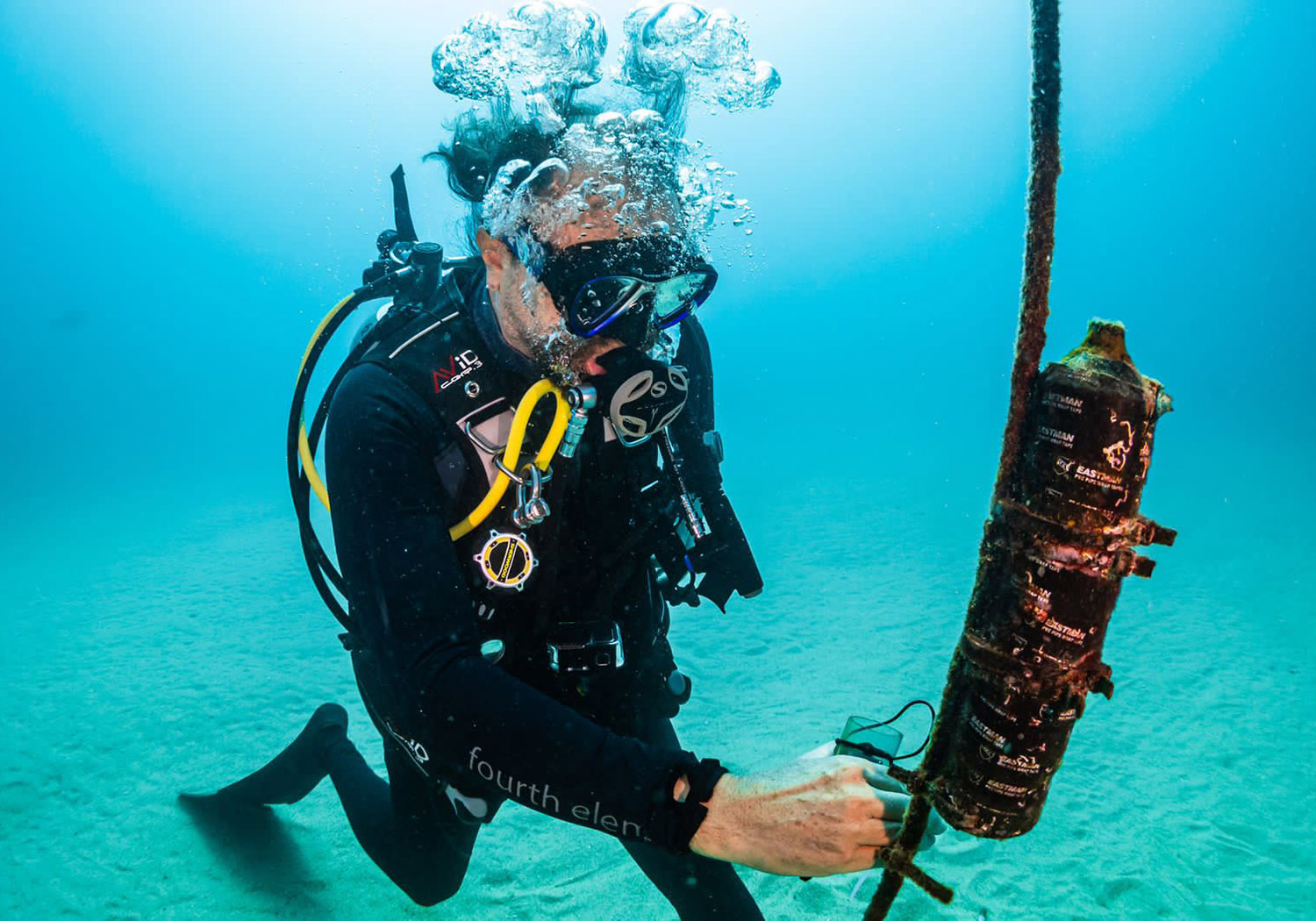
Shark and ray movements and connectivity
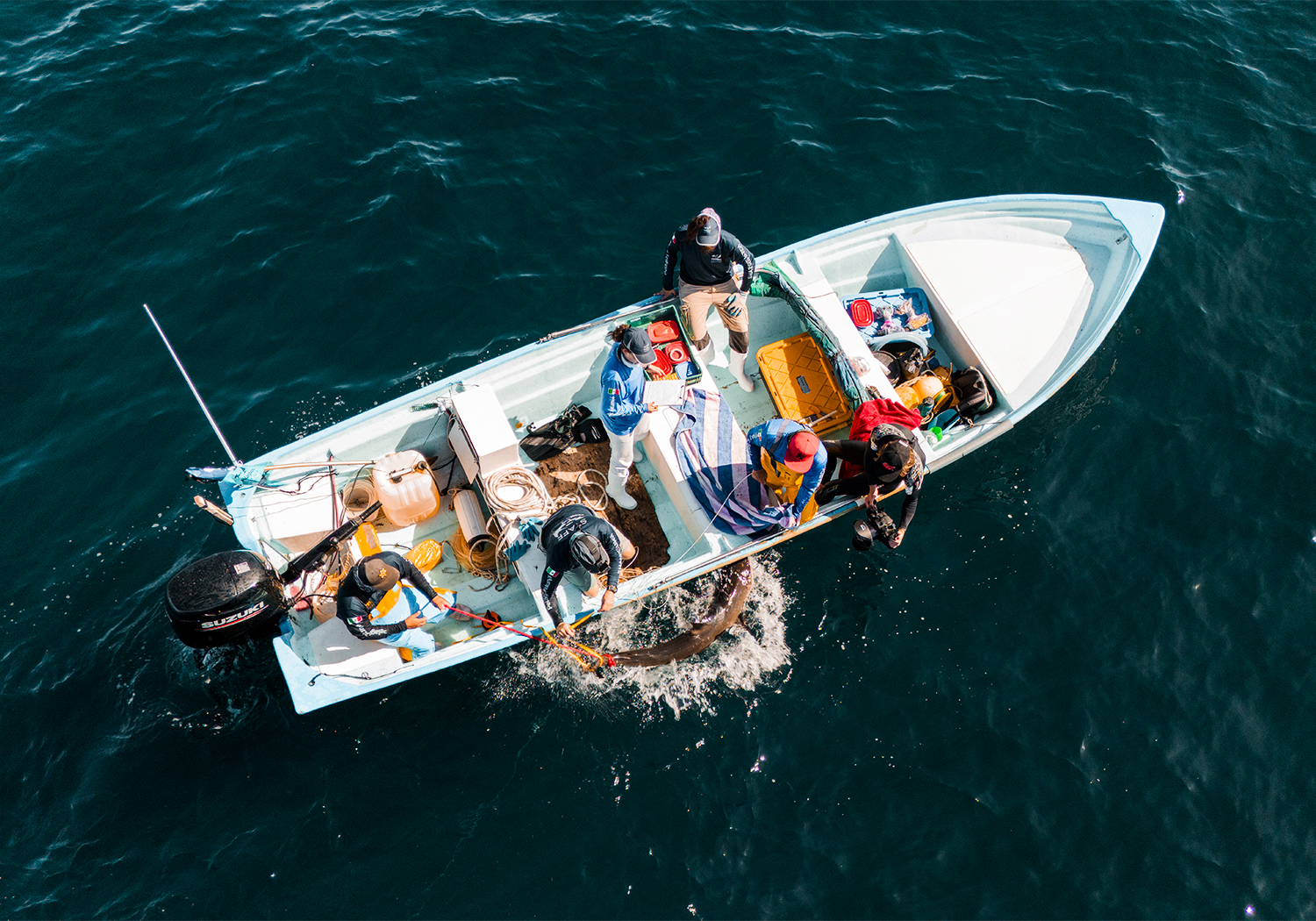
We are examining the movements and connectivity of sharks and rays (e.g. mobulas, giant mantas) in the southwestern GC. We are using acoustic and satellite transmitters and genetics to track sharks in small and large spatial scales. Acoustic transmitters generate information on residency and connectivity on different spatial scales to understand use of nursery areas and seasonal connectivity to subadult and adult aggregation areas (e.g. offshore seamounts). On the other hand, satellite transmitters provide real-time movement data to study migratory movements in the region. An important amount of information has already been generated; hence this objective will be partially fulfilled with existing data collected in previous years by Pelagios Kakunjá.
Shark and ray movements and connectivity
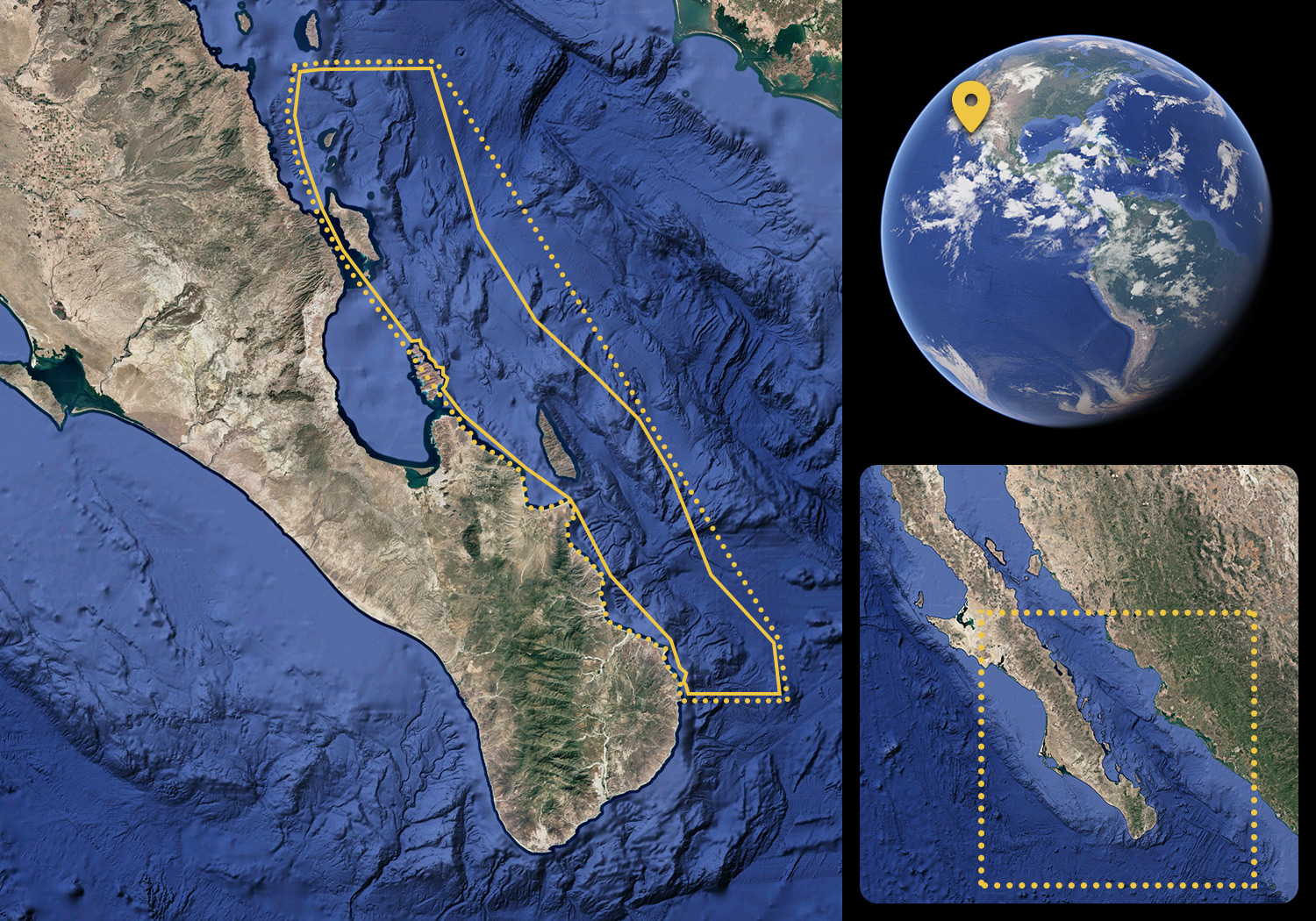
Methods: Based on knowledge generated by Objective 1, the accumulated regional knowledge on spatial-temporal dynamics of sharks and on the Migration Corridor Loreto-Cabo Pulmo ISRA we are designing a new MPA in the southwestern Gulf of California.
Socio-ecological systems
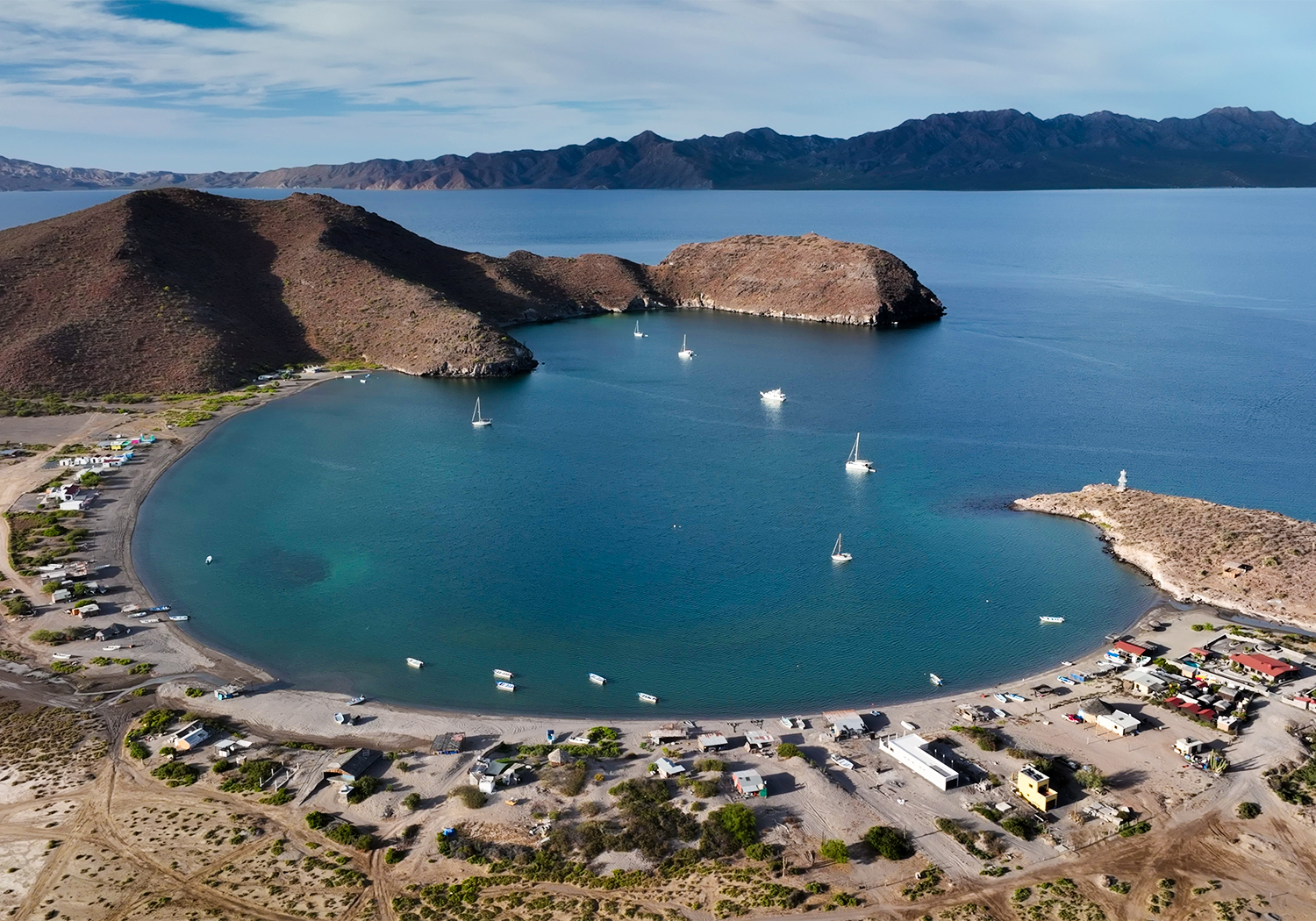
We are carrying out a socioeconomic study on the benefits and challenges of creating an MPA in the context of a socio-ecological system (social and ecological connectivity) prevalent along the corridor. We will be seeking answers to the following questions:
- Who are the most vulnerable communities that depend on shark fishing?
- Which are the most important target species?
- How would the communities be affected by not fishing for some of the target species (e.g. sharks)?
- Where are the most important fishing spots?
- What are the most widely used shark fishing gears?
- How many fishing villages are within the corridor
- What are the priority villages that we need to include and support
- What communities/villages will benefit by the MPA
- What are the social linkages between communities/villages within the corridor?
- What is the ecological connectivity between the offshore fishing grounds (seamounts and islands) within the corridor?
We are conducting interviews, literature searches and workshops to answer all the above questions.
Take Action Today
 Donate
Our work is only possible with your support! Your donation will contribute to our shark research and conservation programs in Mexico
 Adopt
Adopt
Through the adopt a shark program, anyone can symbolically sponsor a shark for themselves, a loved one or together as a company, school group or university
 Donors
Recognizing the generous organizations whose continued support drives our shark conservation, research, and education initiatives forward